RESTORATION INSIGHTS · OREGON
Water Damage Repairs in Hillsboro & Portland: Why Hire a General Contractor?
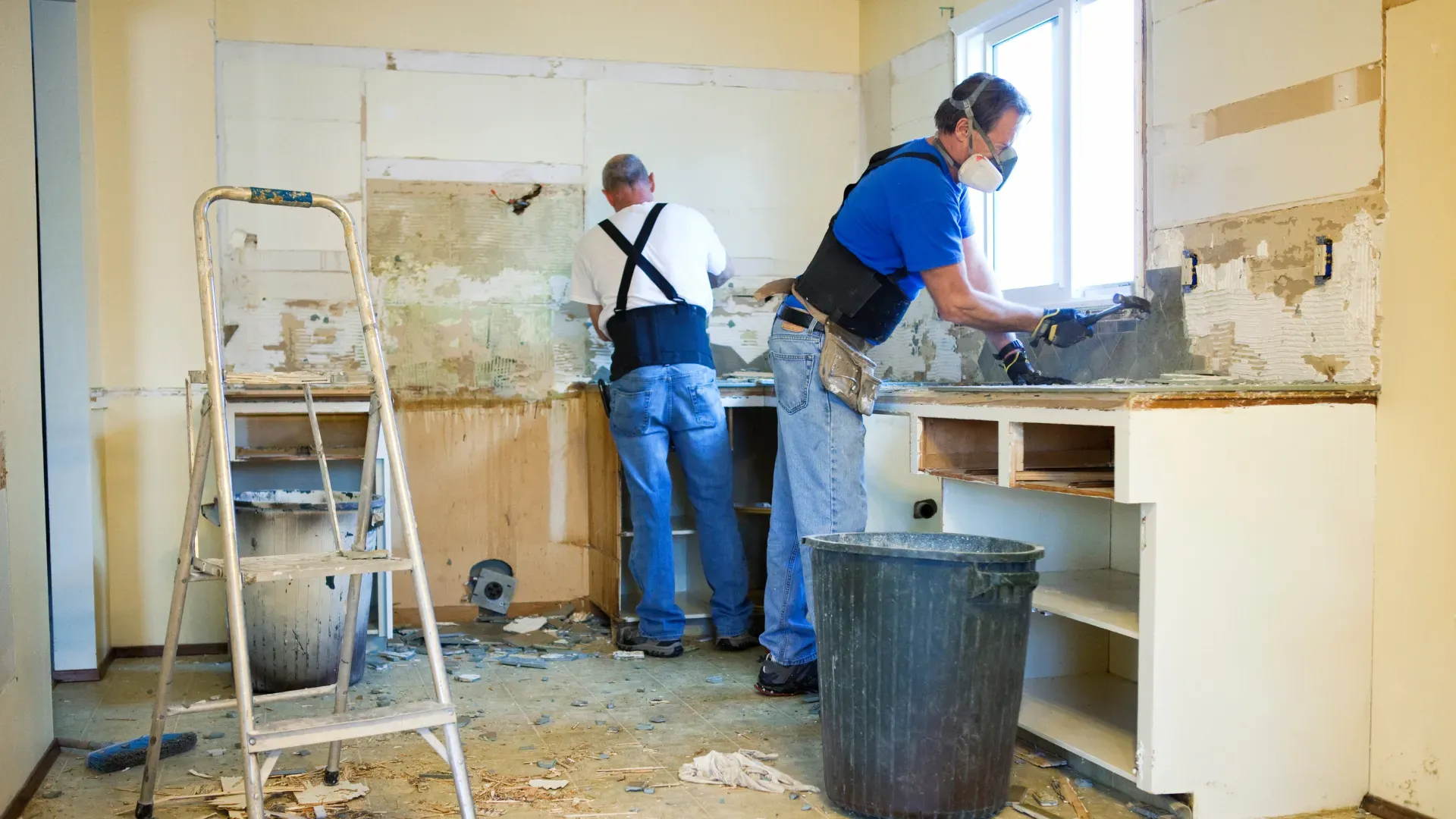
The water is gone. The drying equipment is leaving. But your kitchen still has missing flooring, an open wall, and cabinets that need attention. Who brings all those repairs together?
For homeowners planning water damage repairs in Hillsboro and Portland, cleanup is often only one part of getting a home back into use. When the work involves drywall, ceilings, flooring, cabinets, or several trades, a general contractor can help turn separate repair needs into an organized reconstruction plan.
Portland NW Water Damage Restoration helps local property owners connect water damage restoration with general contracting services. Here is how those stages fit together, what to ask before rebuilding, and how to prepare for a useful estimate.
When does water damage repair need a general contractor?
A general contractor is especially helpful when restoring a property involves several connected repairs or trades. The contractor organizes the scope, materials, scheduling, and construction sequence. Water extraction and drying address the immediate damage; reconstruction repairs or replaces the affected parts of your home once the area is ready.
Water damage restoration and reconstruction solve different problems
Restoration focuses on assessing damage, removing water, cleaning affected areas, and managing moisture. Depending on the conditions, it can also include removing materials that cannot be restored. Reconstruction focuses on putting the affected building components back together.
Consider a bathroom supply-line leak that reaches a hallway. The immediate work may involve water extraction, moisture checks, and drying. The repair phase might include replacing drywall, checking the subfloor, installing flooring, and finishing baseboards. A plumber may also be needed to correct the failed supply line. Repairing the leak and repairing the damage it caused are separate parts of the scope.
A coordinated plan helps prevent gaps between those stages. Before a wall is closed or new flooring is installed, the team should confirm that the moisture problem has been addressed and the affected assembly is ready for reconstruction. Surface appearance alone does not establish that concealed materials are dry.
How a general contractor helps organize water damage repairs
Assess the affected areas
A water damage assessment establishes where moisture has traveled and which materials need attention. Findings behind walls, beneath floors, or around cabinets can change the repair plan.
Address the source and drying
Arrange the appropriate repair for the leak, complete necessary cleanup, and monitor drying. If mold is discovered, discuss the mold remediation scope before covering affected areas.
Define the rebuilding scope
Identify what will be repaired, what will be replaced, and who will perform each task. Confirm material selections, trade coordination, and whether the proposed work requires permits or inspections.
Rebuild and review
Sequence the construction work so underlying repairs come before finished surfaces. Finish with a walkthrough, a list of remaining items, and a review of the completed scope.
The EPA’s moisture and mold guidance emphasizes fixing moisture problems and cleaning and drying affected surfaces before painting. New finishes should follow the necessary preparation, not conceal an unresolved problem.
Common repairs after a leak or water loss
Ceiling and drywall repairs
A ceiling stain may be the visible result of a plumbing or roof leak above it. After the source is corrected, assessment determines whether the ceiling material, insulation, or surrounding wall finishes need removal or repair. The reconstruction scope may include replacement drywall, joint finishing, texture matching, priming, and painting. Ask how far the finish work extends so patch boundaries are clear before work starts.
Flooring and subfloor repairs
Water from an appliance or pipe can travel beneath flooring and into adjacent rooms. The plan should address the condition of the underlying materials before replacement flooring is installed. Matching an existing floor can also affect material choices: an exact product may no longer be available, and a continuous floor may need a carefully planned transition between repaired and unaffected areas.
Kitchen reconstruction
A dishwasher or sink leak can involve cabinet bases, flooring, wall finishes, and appliance connections in the same small area. Coordinating those tasks helps avoid installing a finished surface before work beneath or behind it is complete. Discuss cabinet access, appliance disconnection and reconnection, and whether the kitchen can remain usable during each stage.
Bathroom repairs
Leaks around toilets, showers, sinks, and supply connections may affect flooring, trim, walls, or the room below. A repair estimate should distinguish the plumbing or waterproofing problem from the resulting building damage. Confirm who handles each part of the work and what must be completed before finishes are replaced.
Repairs across multiple rooms
When damage extends through a hallway or between floors, home reconstruction may require several connected work areas. A general contractor helps coordinate access, material deliveries, construction activities, and the order in which rooms return to use.
What to clarify before rebuilding your home
The main benefit of coordinated general contracting is a shared plan. It should explain how the restoration findings translate into specific repairs, who is responsible for each task, and how changes will be handled.
- Included work: Ask which rooms, surfaces, materials, and finishes are included, along with cleanup and disposal.
- Unresolved conditions: Identify any remaining leak repairs, moisture issues, or concealed areas that need evaluation.
- Trade responsibilities: Confirm who coordinates plumbing, electrical, roofing, or other specialist work when needed.
- Materials and matching: Review product selections, availability, transitions, paint boundaries, and finish expectations.
- Schedule and access: Discuss drying readiness, inspections where applicable, delivery lead times, and access to kitchens or bathrooms.
- Changes: Agree on how newly discovered damage and optional upgrades will be documented and priced.
How much do water damage repairs cost?
A useful estimate depends on more than the size of the visible stain. Cost can change with the affected materials, access to concealed damage, demolition needs, drying results, finish selections, and the number of trades involved. An on-site assessment and written scope are more useful than a generic price per room.
How long will reconstruction take?
There is no single timeline that fits every water loss. A small drywall repair differs from rebuilding a kitchen with replacement cabinets and flooring. Ask for the expected sequence and the decisions that could affect it, including material orders and any inspections. Drying time and reconstruction time should be discussed separately.
Can you upgrade materials during repairs?
Yes, it may be practical to discuss different flooring, finishes, or other improvements while an area is open. Keep optional upgrades separate from necessary damage repairs in the written estimate. That distinction makes the budget clearer and helps avoid confusion if an insurer is reviewing the original loss.
Insurance and water damage reconstruction: keep the scope documented
Coverage depends on your policy and the cause of the damage. The Oregon Division of Financial Regulation notes that some sudden and accidental water losses may be covered, while flood damage and other water sources can be excluded or require separate protection. Ask your insurer how your policy applies to the specific loss.
Portland NW can help with repair documentation and explaining the proposed work. Your insurer determines coverage; a contractor’s estimate is not a coverage decision. Keep photographs, assessment findings, estimates, receipts, and written changes together. Ask the insurer about inspection and documentation requirements before permanent reconstruction begins.
Water damage repairs in Hillsboro, Portland, and nearby Oregon communities
Portland NW Water Damage Restoration serves property owners in Hillsboro, Portland, and surrounding Oregon communities. Whether a leak has affected one ceiling or several connected rooms, the starting point is the same: understand the damage and establish a practical repair scope.
For nearby properties in Beaverton or Aloha, share your address and project details so the team can confirm availability. You can also review the Portland metro service-area guide.
General contracting inquiries do not have to involve an active water emergency. If you need interior property repairs or are considering improvements, describe the proposed work and ask whether it fits the team’s services. The appropriate scope depends on your property and the project.
Frequently asked questions
Do I always need a general contractor after water damage?
No. A limited loss may need only restoration and a small repair. A general contractor becomes especially useful when several materials, rooms, or trades are involved. An assessment helps establish whether the work is a straightforward repair or a coordinated reconstruction project.
Can a general contractor replace water-damaged drywall?
Drywall replacement can be part of the repair scope, including finishing, texture, and painting. The water source and moisture conditions should be addressed before the wall is closed. Ask whether the estimate includes insulation or other affected components behind the drywall.
Can new flooring go over a water-damaged subfloor?
The subfloor needs evaluation before new flooring is installed. The repair team should determine whether it is dry and suitable for the selected flooring or whether repair or replacement is necessary. Covering an unresolved moisture or material problem can compromise the new work.
Do you handle general contracting projects without water damage?
Yes. Portland NW welcomes inquiries about property repairs and planned improvements unrelated to water damage. Share the location, affected areas, and desired work so the team can review the project and confirm whether it fits the available services.
Do you provide general contracting in Hillsboro and Portland?
Portland NW offers general contracting services for property owners in Hillsboro, Portland, and surrounding Oregon communities. Contact the team with your address and repair needs to confirm project fit and current availability.
What should I have ready when requesting an estimate?
Share your property address, the source of the damage if known, the rooms involved, and whether extraction or drying has already happened. Photos, existing assessment reports, and a list of desired repairs can help the team prepare. Let them know if water is still entering or an essential room is unusable.
Get a clear plan for your property repairs
Tell Portland NW what happened, what has already been done, and which areas still need work. We can discuss the next steps for water damage repairs, reconstruction, or a general contracting project in Hillsboro, Portland, and nearby Oregon communities.
Call (971) 424-4730 or request a free estimate to start the conversation.