
RESTORATION INSIGHTS · OREGON
What Is Mold Remediation? A Guide for Portland and Hillsboro Homeowners
Mold remediation means cleaning up mold and correcting the moisture problem that let it grow. If a patch keeps coming back underneath your sink, two questions matter: How far did the water travel, and is the cabinet still getting wet?
For homeowners in Portland and Hillsboro, the first clue might be a stain below an upstairs bathroom or a musty smell in a basement after rain. Neither tells you on its own how much cleanup you need. Here’s how to decide what to do next.
What is mold remediation, and how does mold removal fit in?
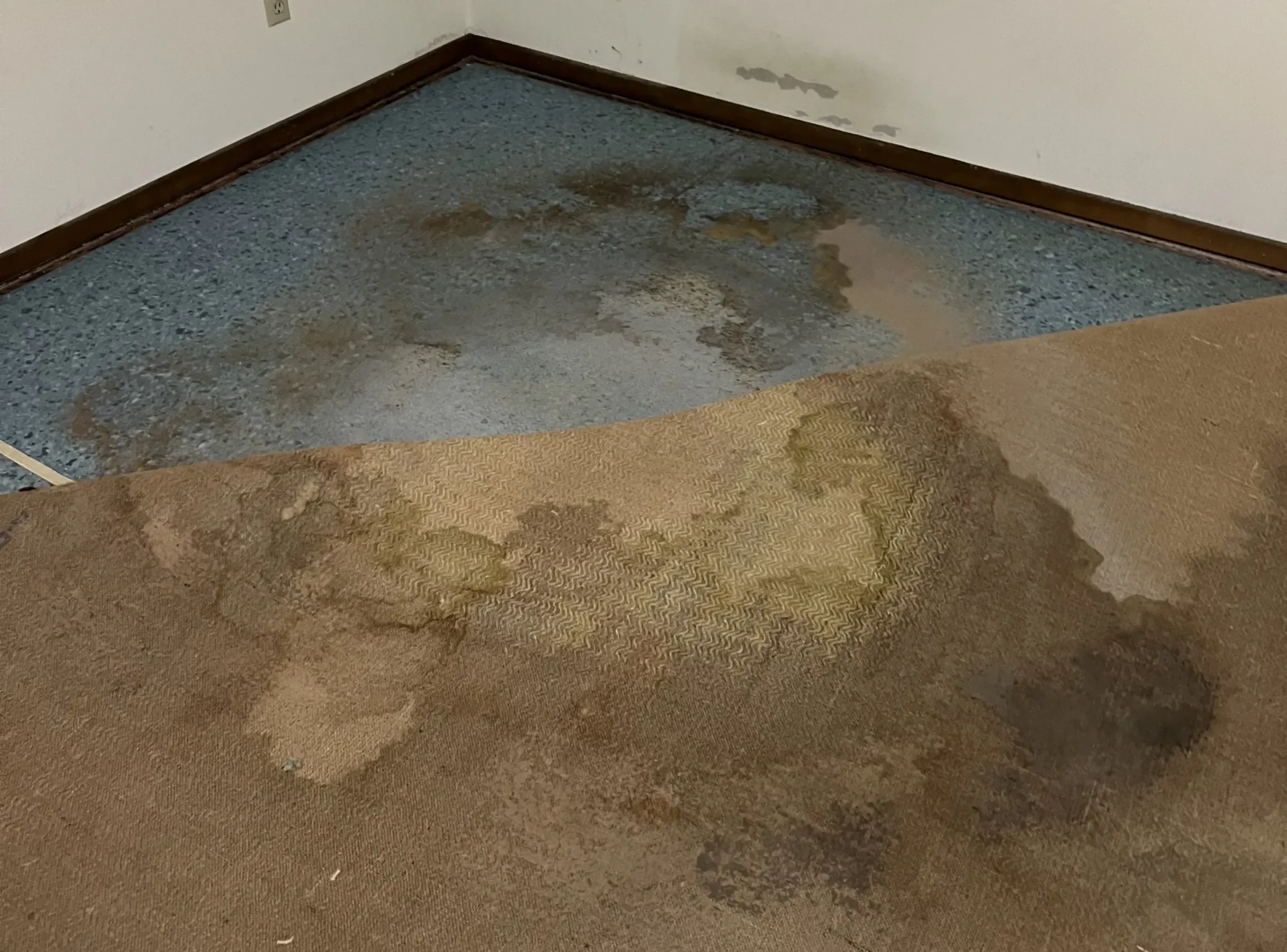
Mold removal describes one part of the job: cleaning growth off a surface or taking out a material that can’t be cleaned effectively. Remediation also asks why that surface stayed damp and what needs to happen before it can be covered again. Take a slow dishwasher leak. Wiping the kitchen floor may leave wet material beneath a cabinet base. Finding that wet area changes where the crew needs access and which repairs belong in the estimate.
When should you call for a mold inspection?
A small patch on bathroom tile calls for a different response than soft drywall or an odor coming from a closed wall. The EPA says homeowners can often handle a moldy area smaller than about 10 square feet themselves. Size is only one consideration. Get professional guidance if sewage was involved, you suspect mold in heating or cooling equipment, or the water damage was extensive. If you suspect the heating or cooling system is contaminated, leave it off until you get advice. Read the EPA’s home mold cleanup guidance.
You can ask for an assessment even if you can’t see the source. Before calling, note where you first noticed the odor or stain, what was wet, and whether it changes after rain or after a fixture runs. Photos taken before the area dried can help explain what happened. Leave wall openings and removal of suspect material to the people planning the work.
What happens during professional mold remediation?
Imagine a slow leak under your kitchen sink. The plumber fixes the pipe, but the cabinet base is still damp and the wall behind it has visible mold. Here’s how a crew would approach the cleanup.
- Find out what got wet. The crew checks the cabinet, the wall behind it, and the floor below to see how far the leak spread. If water is still coming in, the first priority is to stop it.
- Keep cleanup dust out of nearby rooms. Before taking out damaged material, the crew decides whether to put up a barrier around the work area and explains which parts of the kitchen you can use.
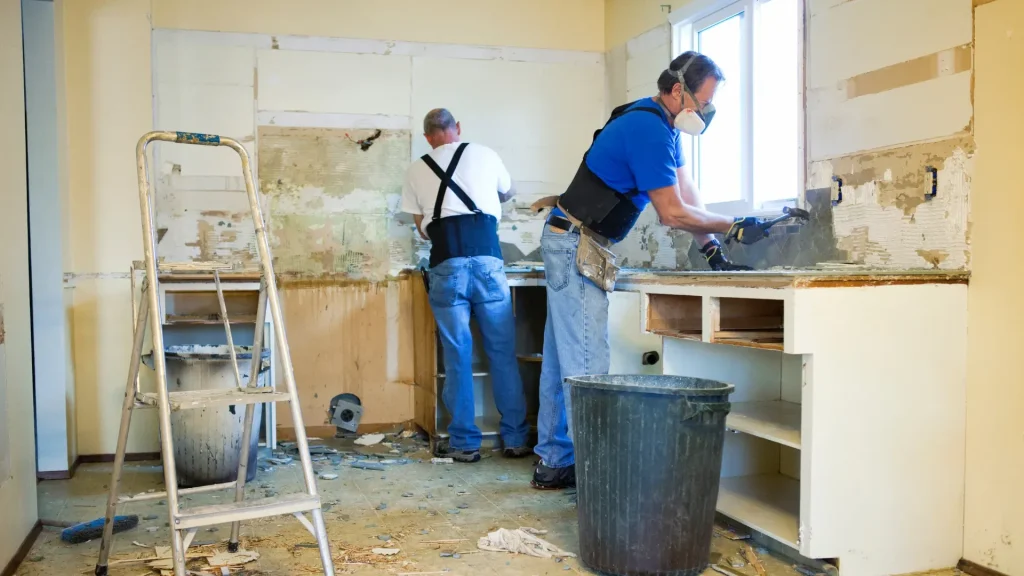
- Clean what can be saved and remove what can’t. A sound, hard cabinet surface may be cleanable. Soft, crumbling drywall with mold growing through it may need to come out so the space behind it can be cleaned and dried.
- Check that the area is ready to close. Before new drywall goes in, ask the crew to show you that the leak has stopped, visible mold has been cleaned up, and the remaining wall and floor materials are dry.
What affects mold remediation cost?
Two patches the size of a dinner plate can lead to very different estimates. One may sit on exposed tile. The other may be the visible edge of damage behind a vanity, where access requires disconnecting a fixture and removing cabinetry. The materials, access, extent of dampness, and repairs after cleanup all affect the price.
When comparing written estimates, look for the same tasks in each: protecting adjacent rooms, removing damaged material, cleaning, drying, and replacing finishes. Ask which tasks are included, which require another trade, and what happens if the crew finds more damage after opening the area. That makes an estimate easier to judge than a single price per square foot.
What is mold remediation like while you’re living in the home?
Before the crew arrives, ask for a daily access plan. Find out which doorway the crew will use, where equipment will run overnight, and whether work will interrupt use of a sink, shower, or laundry room. If access changes after the team opens a wall, ask for the revised plan before arranging your next day around it.
Why does basement mold return after cleanup?
If the same basement corner gets wet after each storm, record when it happens and where the dampness first appears. If it stays damp through dry weather, mention that too. That history helps the team investigate recurring water entry, condensation, or a plumbing leak. The cleanup plan should identify who will address the moisture source before anyone replaces carpet or closes the wall.
Three details to record before the visit
When the room gets wet. Write down the last time you saw water and what happened just beforehand. For a lower-level room in Portland, “the carpet was wet the morning after the storm, along the wall facing the driveway” gives the inspector more to go on than “the basement smells damp.” Include any stretches of dry weather when the problem still occurred.
What changed since the leak. A room may look different by the time someone visits. Say whether you removed a rug, lifted a baseboard, ran a dehumidifier, or had a fixture repaired. If you have a photo from the day of the leak, take a second photo from the same spot. Keep the originals so the dates are easy to find.
What you need to keep using. If the affected wall backs onto your only bathroom, bring that up when discussing access. In a rental or shared building, identify who can authorize opening a wall and who has access to the room on the other side. Those details can change how the work is scheduled.
Do you need mold testing before cleanup?
A mold inspection and a mold test answer different questions. An inspection helps locate damp materials and define the work area. A test examines a particular sample. If you can already see growth on drywall beneath a leaking sink, identifying the species usually adds little to the immediate decision about the leak and the damaged wall. The EPA says sampling is generally unnecessary when growth is visible. Read the EPA’s guidance on mold testing.
If someone recommends testing, ask what question the sample will answer, who will interpret it, and how the result would change the plan. For example, a written requirement from a property manager may call for independent documentation. Mention that before work begins so everyone knows what records are needed at the end.
What should a written mold remediation estimate include?
Walk through the estimate room by room. For a leak behind a bathroom vanity, one line might cover access through the back of the cabinet. Another might cover removing affected drywall. A third might cover replacing the vanity after the wall is dry. If two companies quote different totals, first check whether both quotes include putting the bathroom back together.
- Work area and access. Which surfaces will the team inspect or open? Can you use the hallway, bathroom, or nearby bedroom while work is underway?
- Materials and contents. Ask who moves furniture, how belongings are protected, and what happens to trim, flooring, or cabinetry removed for access.
- Unexpected findings. Agree on who can approve extra work. Ask for photos and a revised price if damage extends beyond the original area.
- Source repair and closeout. Identify who will fix the water entry, what drying records you will receive, and who will schedule reconstruction.
How can you tell when the work is complete?
Arrange a walkthrough before the work area is covered. Ask the crew to show you where moisture entered, what they removed or cleaned, and how they checked that remaining materials were dry enough for the next step. If a plumber or roofer still needs to fix the source, get that task and its owner in writing. It is easier to check a connection while the wall is open.
Keep dated photos, the estimate, approved changes, and the final work summary together. If a basement corner usually gets wet after rain, look again after the next wet spell. If the original leak happened when an upstairs shower ran, pay attention when that shower returns to use. A new stain, recurring odor, or damp material gives the team a specific location and time to investigate.
How Portland NW Water Damage Restoration can help
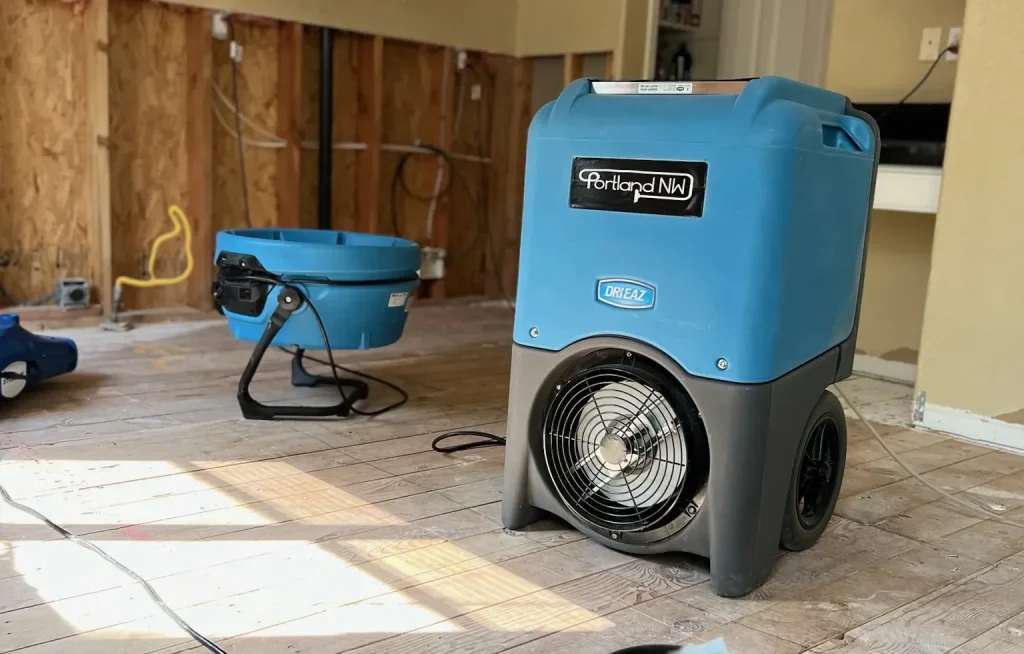
Portland NW Water Damage Restoration helps homeowners in Hillsboro and the Portland area assess affected rooms, plan containment and cleanup, and work out what needs drying or repair. If a recent leak started the problem, tell the team whether water is still entering and which rooms were wet. If you’ve already stopped the leak, explain what was opened, cleaned, or replaced afterward.
Review the team’s mold remediation services or its water damage restoration process. To discuss a specific room, call (971) 424-4730 or request an inspection. Start with what you can see, smell, or date. You don’t need to identify the mold yourself to make that call.